Source Bamboo Plant Labels for Gardens, Farms, and Nurseries
Explore 30 listings of Bamboo Plant Labels designed for garden work, nursery stakes, and outdoor decoration. Buyers can compare specifications such as size, thickness, and customization options from suppliers in China.
Key considerations
Products List
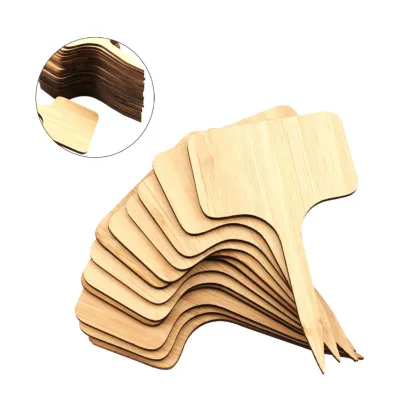
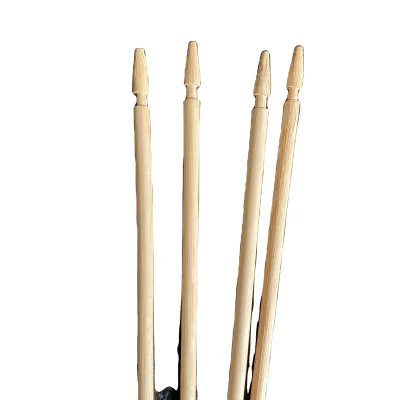
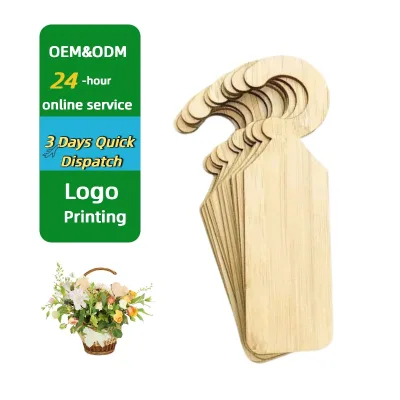
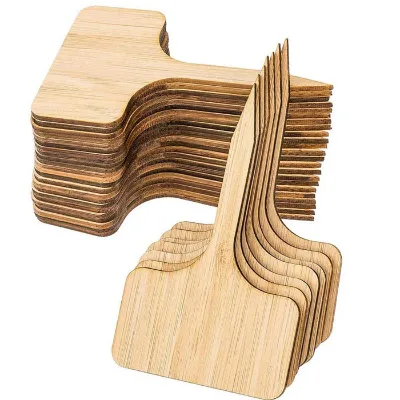
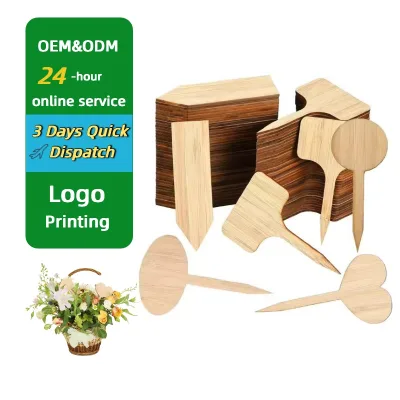
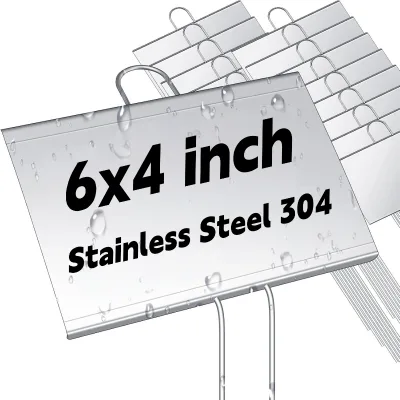
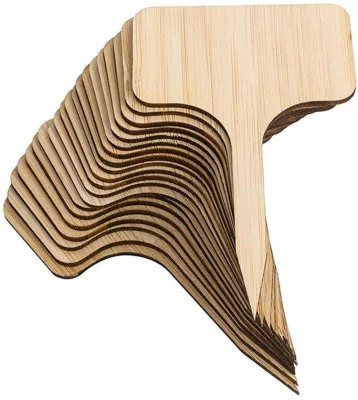
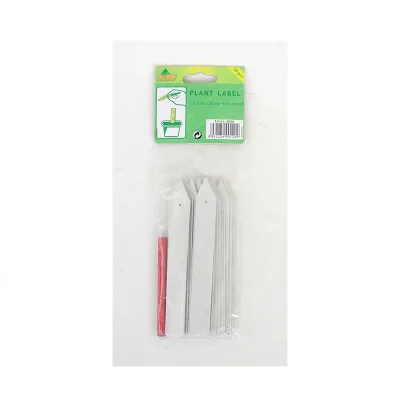
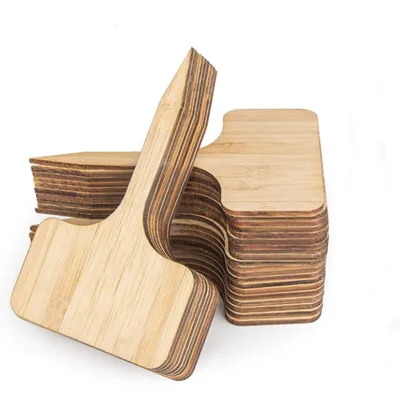
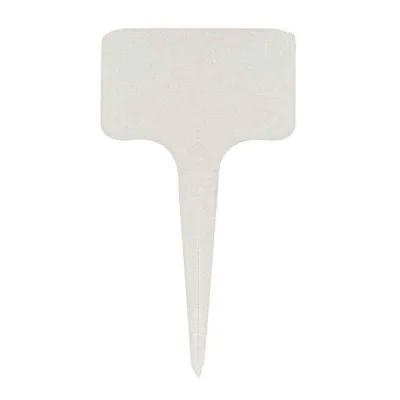
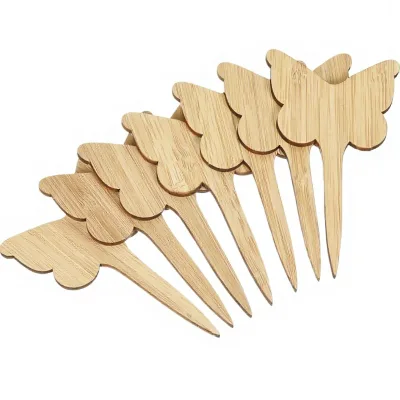
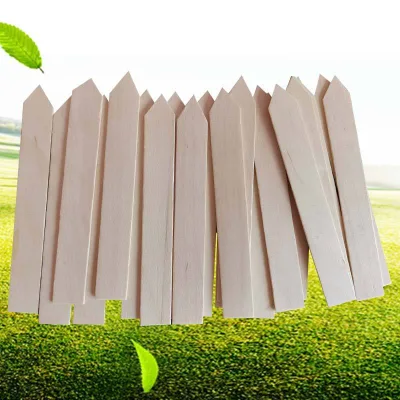
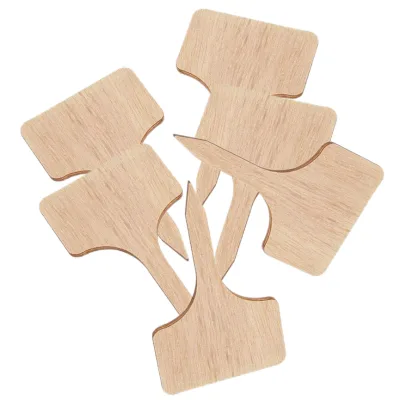
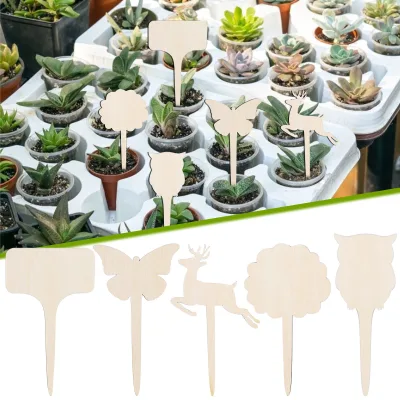
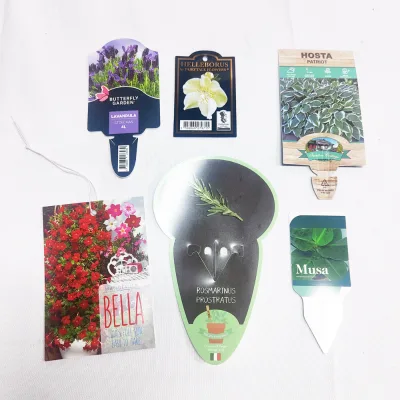
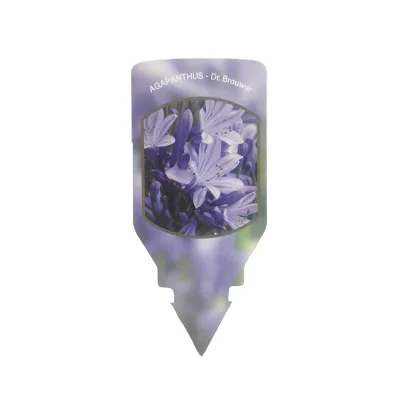
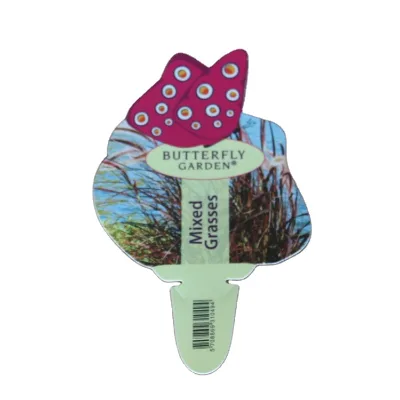
Waterproof Custom Shaped Garden Plastic Plant Stick Name Labels for Flowers
$0.02 - $0.05
MOQ: 10 pieces
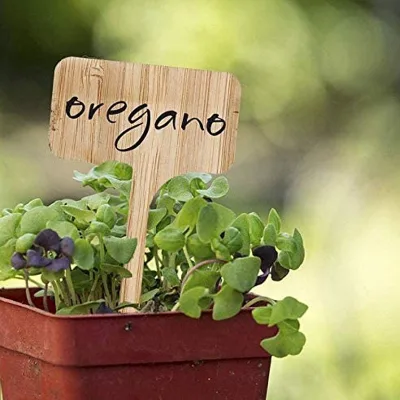
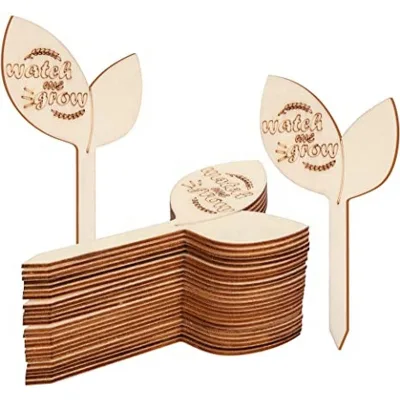
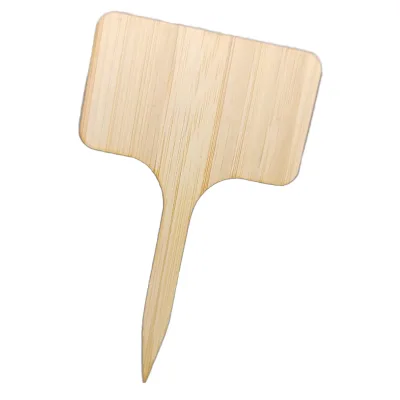
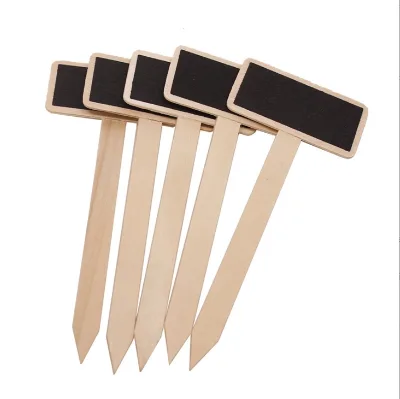


Customized Logo Garden Plant Name Sign Label Tags for Flower Pot Management
$0.08 - $0.09
MOQ: 20000 Pieces


Wood Herb Gardening Labels Markers Plant Sign Tags Bamboo Garden Plant Label
$0.08 - $0.09
MOQ: 20000 Pieces
Comprehensive Sourcing Guide
Strategic Sourcing Guide for Bamboo Plant Labels
The global demand for sustainable gardening solutions has elevated the profile of Bamboo Plant Labels as a preferred alternative to plastic or metal markers. For B2B procurement professionals, sourcing these items requires a nuanced understanding of material properties, manufacturing capabilities, and supply chain logistics. This guide synthesizes available product data and industry best practices to provide a disciplined framework for evaluating suppliers and specifications. The focus remains on evidence-based criteria, ensuring that procurement decisions are grounded in verifiable facts rather than marketing assertions.
Technical Specifications and Material Variability
When evaluating Bamboo Plant Labels, the primary technical differentiator is the raw material source and its processing. The supplied product data indicates a clear distinction between products originating from different regions, specifically Shandong, Fujian, and Hebei in China. These geographical variances often correlate with specific processing techniques and material grades. For instance, one dataset highlights a product with the model number PM02, explicitly identified as a "Bamboo Plant Label" with a thickness of 2mm and a stake height of 7cm. This specific configuration suggests a design optimized for nursery environments where stability and visibility are paramount.
In contrast, other listings describe similar items with different dimensions, such as a single package size of 11x6x2 cm or 1x10x10 cm. The variation in package dimensions implies differences in the physical form factor, ranging from flat tags to pre-staked labels. Buyers must verify the exact "Single package size" and "Single gross weight" for each SKU, as these metrics directly impact shipping costs and storage efficiency. One entry notes a gross weight of 0.010 kg, while another lists 0.200 kg, indicating a significant variance in material density or packaging inclusion.
The "Technique" applied to the bamboo is another critical specification. The data mentions "Polished" as a finishing method, which enhances the aesthetic appeal and reduces splintering, making the product safer for handling in nurseries and gardens. The "Shape" is frequently listed as "Customized," allowing buyers to request specific geometries to match branding or functional needs. Furthermore, the "Color" is predominantly "Natural" or "Natural Color," preserving the organic look of the bamboo. However, the "Usage" field often cites "DIY Painting," suggesting that the surface is prepared to accept paint or markers, a feature essential for custom labeling in agricultural or retail settings.
Compliance, Certification, and Environmental Claims
Sourcing bamboo products involves navigating environmental claims and potential compliance requirements. The product descriptions frequently highlight attributes such as "Eco-friendly," "Biodegradable," and "Natural Material." While these are positive indicators, buyers must treat them as observations of the material's inherent properties rather than guaranteed certifications. The term "Biodegradable Reusable Bamboo Plant Labels" appears in the data, suggesting a dual benefit of sustainability and durability. However, without specific third-party certification data provided in the source text, procurement teams should not assume compliance with international organic or biodegradable standards without direct verification from the supplier.
The "Feature" column lists "Eco-friendly" and "Natural Material," which aligns with the general perception of bamboo as a renewable resource. Yet, the absence of specific certification names (such as FSC or PEFC) in the provided facts means that buyers must explicitly request proof of sustainable harvesting practices. The "Place of Origin" varies between Shandong, Fujian, and Hebei, and while these regions are known for bamboo cultivation, the specific forestry management practices can differ. Buyers should inquire about the supply chain transparency regarding the bamboo source to ensure that the "Eco-friendly" claim is substantiated by verifiable harvesting protocols.
Additionally, the "Application" field lists diverse environments including "Home, Garden, Farm, Outside, YARD, Plants, Tags, Park, Plant Growth, outdoor decoration." This broad applicability implies that the product must withstand varying weather conditions. While the material is naturally resistant to some degree, the lack of explicit "Waterproof" or "UV resistant" certifications in the data necessitates a request for performance testing results. Buyers should verify if the bamboo has been treated with any preservatives to extend its lifespan in outdoor settings, as untreated bamboo may degrade faster when exposed to prolonged moisture.
Cost Drivers and Pricing Dynamics
Understanding the cost structure of Bamboo Plant Labels is essential for effective budgeting. The observed price range in the market data spans from $0.01 to $13.00 USD. This wide disparity is not indicative of a single product line but rather reflects the complexity of the order, including customization, volume, and specific material grades. The lower end of the spectrum likely corresponds to standard, unbranded, or bulk orders of basic flat tags, while the higher end may encompass custom-molded shapes, pre-staked units, or orders with complex branding requirements.
The "MOQ" (Minimum Order Quantity) observed ranges from 1 to 20,000 units. This flexibility allows buyers to test the market with small samples or scale up to large industrial orders. However, the "Sample time" is noted as 5-7 days, which is a critical factor in the total lead time calculation. Buyers must account for this sampling period before finalizing bulk orders. The "Single gross weight" varies significantly, from 0.010 kg to 1.000 kg, which directly influences freight costs. Heavier items or those with larger package dimensions will incur higher shipping fees, potentially offsetting the low unit price of the product itself.
The "OEM/ODM" capability is listed as "Accepted" in the data, indicating that suppliers are willing to customize branding and design. This service typically adds to the unit cost due to the setup fees and the specialized labor required for logo application or shape modification. The "Logo" is described as "Customized Logo" or "Customized Logo Acceptable," confirming that branding is a standard service. Buyers should clarify whether the cost of the logo is included in the unit price or charged separately, as this can significantly affect the total landed cost.
Typical Applications and Functional Use Cases
The versatility of Bamboo Plant Labels is evident in the diverse "Application" and "Usage" fields provided. The data categorizes usage into "Garden Work," "DIY Painting," and "Plant Labels for Nursery Stake." This suggests that the product serves multiple market segments, from hobbyist gardeners to commercial nurseries. The "Theme" is often listed as "Flower," and the "Style" includes "Flower, Modern, Garden Decoration," indicating that these labels are not just functional but also serve an aesthetic purpose in landscaping and retail displays.
For commercial nurseries, the "Installation" method is a key consideration. One entry specifies "Freestanding," which implies that the label can be inserted directly into the soil without additional hardware. The "Stake height" of 7cm provides a specific dimension for this installation method, ensuring the label is visible above the soil line without being too tall for smaller plants. The "Thickness" of 2mm offers a balance between durability and flexibility, preventing the stake from snapping during insertion while remaining thin enough to be unobtrusive.
The "Product Type" is broadly defined as "Decoration" and "Plant Labels," highlighting the dual nature of the item. In a retail context, the "Natural Material" and "Polished" finish contribute to the perceived value of the product, making it suitable for high-end garden centers. In an agricultural setting, the "Biodegradable" nature of the bamboo allows for easy disposal or composting after the growing season, reducing waste management costs. Buyers should align the specific product specifications with their end-use requirements, ensuring that the "Size" and "Shape" match the scale of the plants being labeled.
Supplier Evaluation and Operational Capabilities
Evaluating suppliers requires a focus on their operational consistency and ability to meet specific order requirements. The "Place of Origin" data points to three distinct regions: Shandong, Fujian, and Hebei. While these locations are all in China, they may have different supply chain efficiencies and material sourcing capabilities. Buyers should verify the specific factory location to assess proximity to ports and logistics infrastructure, which can impact lead times and shipping reliability.
The "Delivery Time" is listed as 3-7 days in one dataset, while the "Sample time" is 5-7 days. This discrepancy suggests that sample production and bulk production may have different timelines. Buyers must clarify the "Lead time" for bulk orders, as the 3-7 day figure might only apply to samples or small batches. The "MOQ" range of 1 to 20,000 indicates that suppliers are flexible, but the ability to fulfill large orders within a specific timeframe depends on their production capacity.
The "Brand Name" varies across listings, with "HENGZHI" and "Pesinou" appearing in the data. However, the "Brand Name" field also lists "Eagle," which may indicate a private label or a different product line. Buyers should be cautious of brand inconsistencies and ensure that the supplier is the actual manufacturer or an authorized distributor. The "OEM/ODM" acceptance confirms that suppliers are open to customization, but buyers should request references or case studies to verify their experience with similar projects.
Quality Control and Long-Term Procurement Strategy
Quality control for bamboo products should focus on material consistency and finish durability. The "Technique" of "Polishing" is a positive indicator, but buyers should request physical samples to verify the smoothness and lack of splinters. The "Color" being "Natural" or "Natural Color" is standard, but buyers should check for uniformity in color across the batch, as natural bamboo can vary in hue. The "Feature" of being "Eco-friendly" and "Biodegradable" should be validated through material testing to ensure the product meets the claimed environmental standards.
For long-term procurement, establishing a relationship with a supplier who can consistently meet the "Customized Shape" and "Logo" requirements is vital. The "Single package size" and "Single gross weight" data highlight the importance of packaging efficiency. Buyers should negotiate packaging standards to minimize waste and reduce shipping costs. The "Usage" of "DIY Painting" suggests that the surface preparation is critical; buyers should ensure that the bamboo is treated to accept paint without peeling or fading.
Finally, the "Advantage" of being "Biodegradable Reusable" is a strong selling point, but buyers should verify the reusability claims. While bamboo is durable, repeated use in wet soil can lead to degradation. A robust procurement strategy includes setting quality benchmarks for the number of reuses expected and defining acceptable wear limits. By focusing on these evidence-based criteria, buyers can secure a reliable supply of high-quality Bamboo Plant Labels that meet both functional and sustainability goals.
FAQs
What are the typical material and finish options for Bamboo Plant Labels?
The labels are made from natural bamboo with a polished finish to reduce splintering. They feature a natural color and are often prepared for DIY painting, allowing for custom designs while maintaining an eco-friendly appearance.
Can I customize the shape and logo on these Bamboo Plant Labels?
Yes, customization is accepted for both shape and logo. Buyers can request specific geometries and add customized logos, with OEM and ODM services available to meet unique branding or functional requirements for nurseries and gardens.
What are the standard dimensions and weight for these bamboo labels?
Dimensions vary by model, with common package sizes like 11x6x2 cm or 1x10x10 cm. The thickness is typically 2mm, and the stake height is around 7cm, with single gross weights ranging from 0.010 kg to 0.200 kg depending on the specific SKU.
How long does it take to receive samples and bulk orders?
Sample production takes 5 to 7 days, while bulk delivery times are listed as 3 to 7 days for specific orders. Buyers should verify the exact lead time for their volume, as sample and bulk timelines may differ based on production capacity.
Which regions in China manufacture these Bamboo Plant Labels?
Manufacturing originates from Shandong, Fujian, and Hebei provinces in China. These locations indicate diverse supply chains, and buyers should confirm the specific factory location to assess logistics efficiency and material sourcing practices for their orders.
What is the minimum order quantity for bamboo plant label procurement?
The minimum order quantity ranges from 1 to 20,000 units depending on the supplier and customization level. This flexibility allows for small sample orders or large industrial purchases, with pricing varying significantly based on the volume ordered.